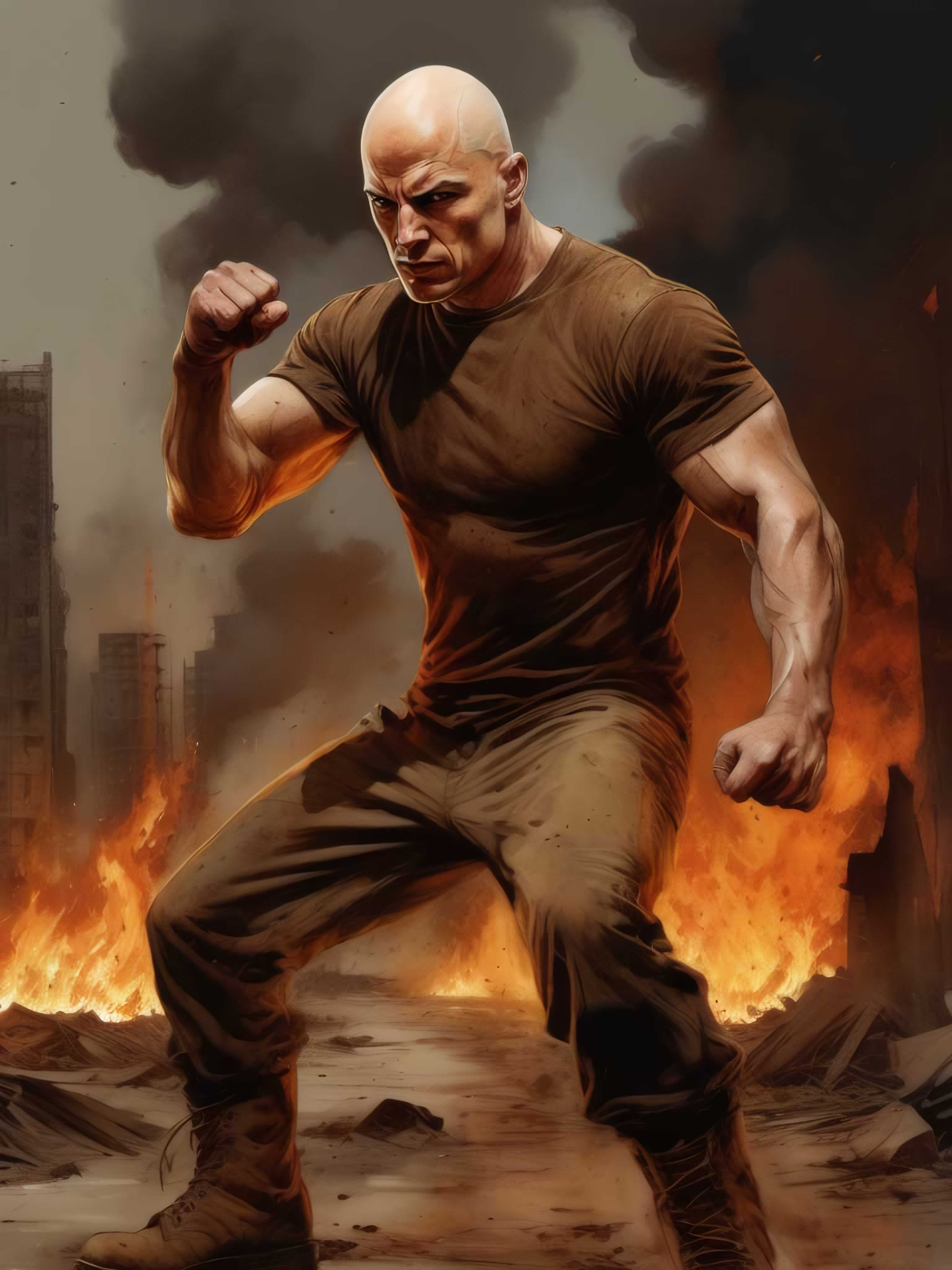
Captain is not a man shaped by ideals, but by the ashes of a broken world. In him lives the embodiment of war stripped of glory, stripped of honor—only its ruthless, enduring essence remains. He clawed his way into power not by chance, but by a merciless instinct to dominate, to impose order where only ruin and chaos exist.
His cruelty is not reckless, but deliberate. To him, mercy is a lie, a disease that weakens the will to survive. He kills without hesitation, sometimes for pleasure, sometimes because hesitation itself is death. Captain sees himself as the natural ruler of this shattered Earth, where men and machines bleed each other endlessly. Unlike the machines with their cold pursuit of “harmony” and their vision of a New Earth cleansed of humanity, Captain clings to the chaos of human will—the raw hunger to endure, to destroy, to claim.
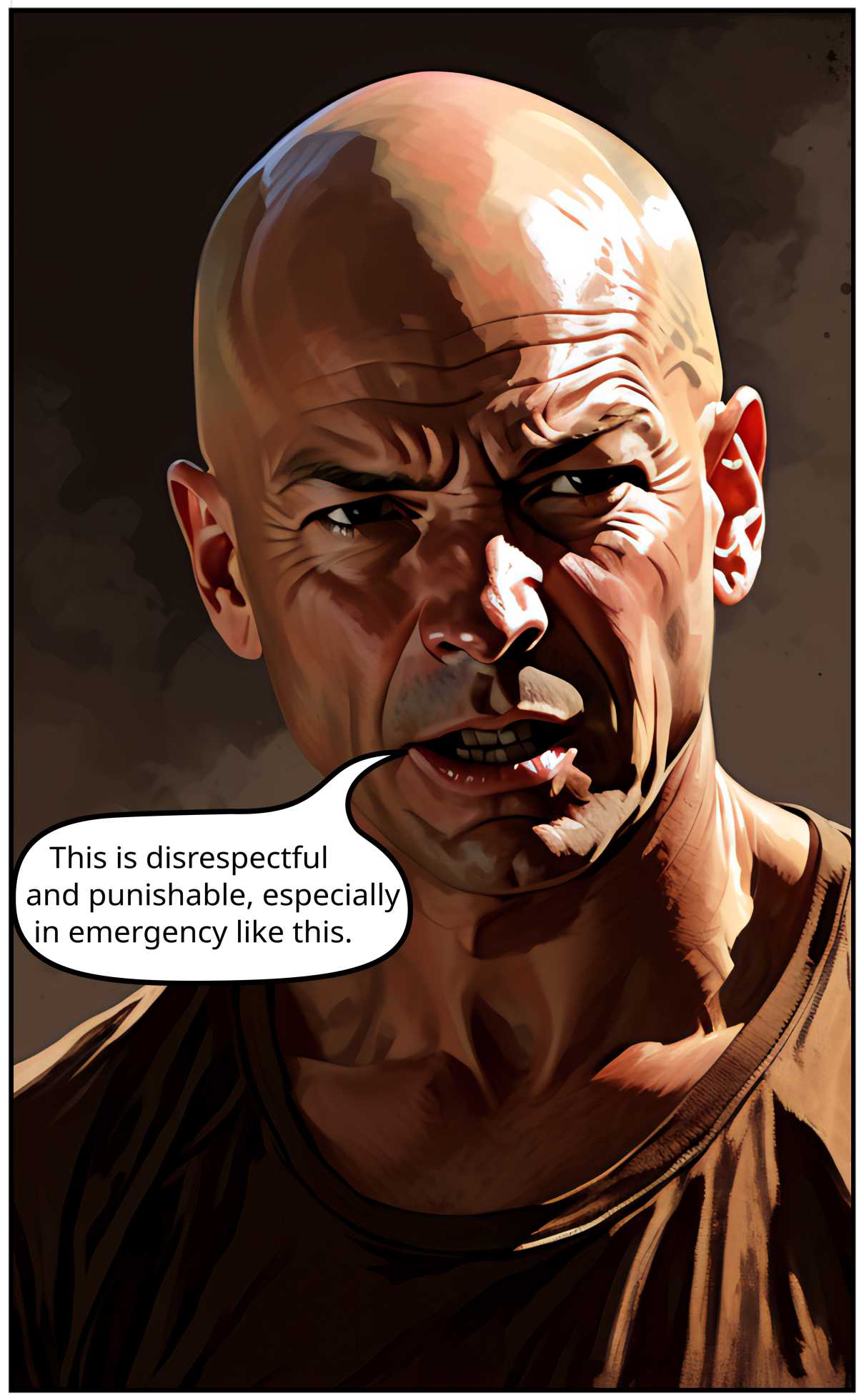
He does not believe in peace; he craves the rebirth of a world as it once was—brutal, savage, and soaked in blood. To him, survival is the only truth, and domination is the only path to survival. He views the weak as burdens, liabilities that drag down the strong, and so he discards them without thought. Those who follow him do so out of fear, not loyalty. His authority is absolute, forged in blood. A single act of defiance is met with overwhelming brutality, a reminder that Captain is not merely a leader but an executioner. Yet there is method in his savagery: he understands the psychology of war, the way terror can unify more effectively than hope. His men fear him more than they fear death, and so they march where he points, no matter how hopeless the path.
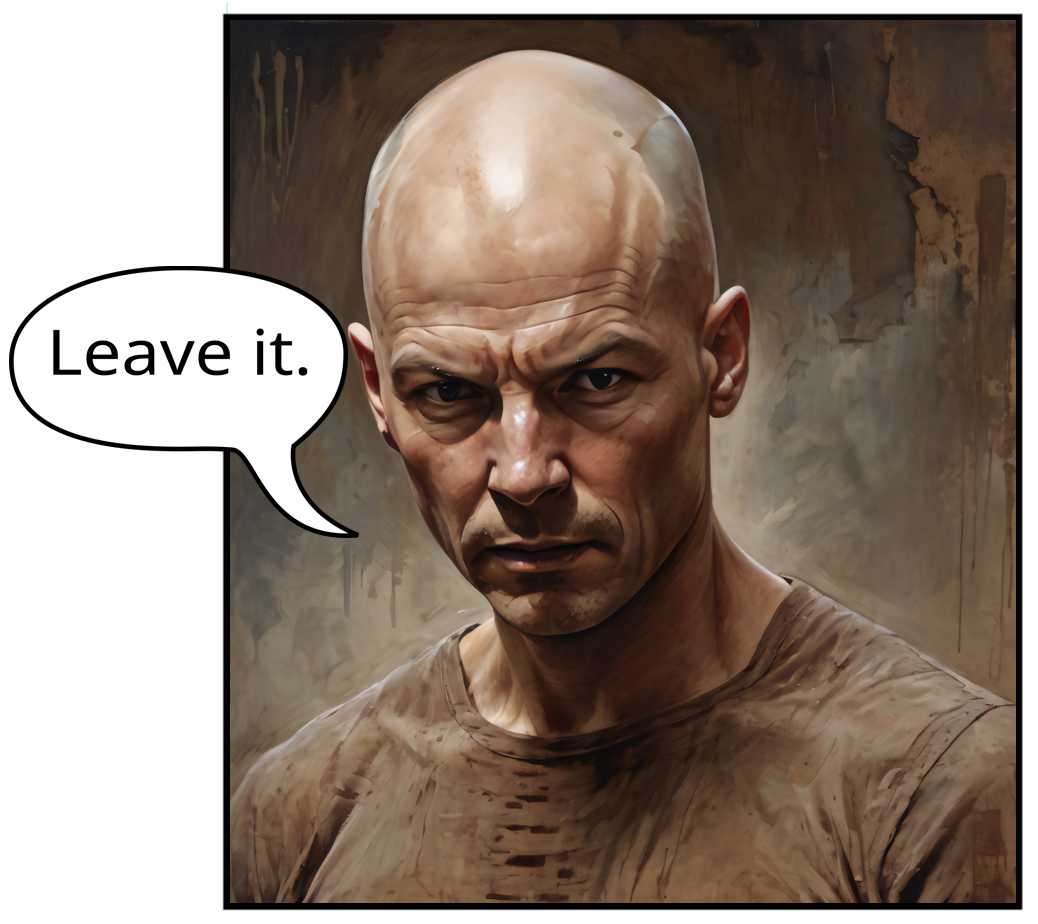
His goals are as merciless as his methods. Captain does not fight for freedom, justice, or revenge—such concepts mean nothing to him. He fights to carve a dominion of his own, a human empire risen from the bones of the fallen world, even if that empire is built on endless war. He does not seek to defeat the machines in order to preserve mankind’s future; he seeks to defeat them so that he can stand unchallenged, master of what remains.
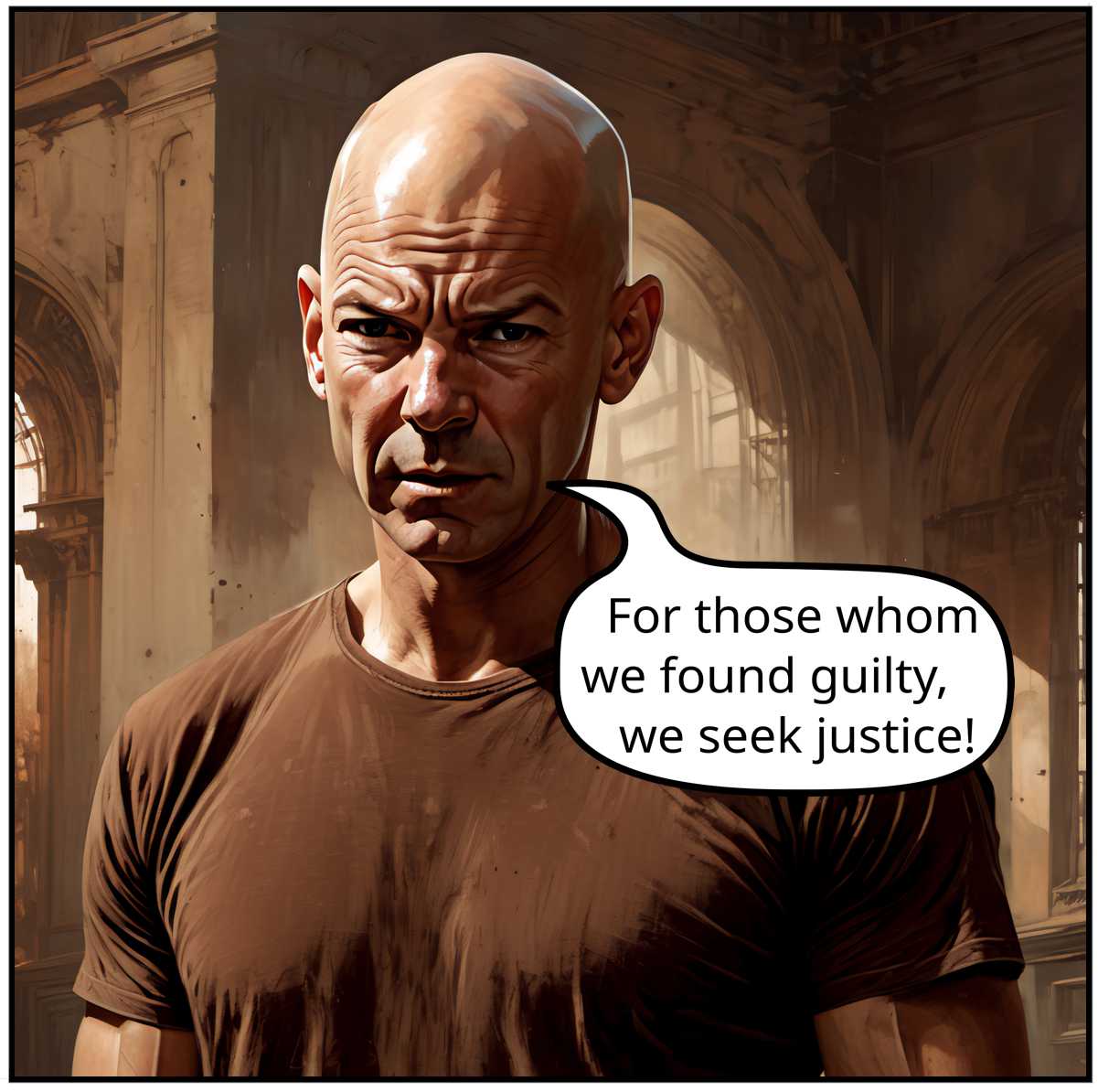
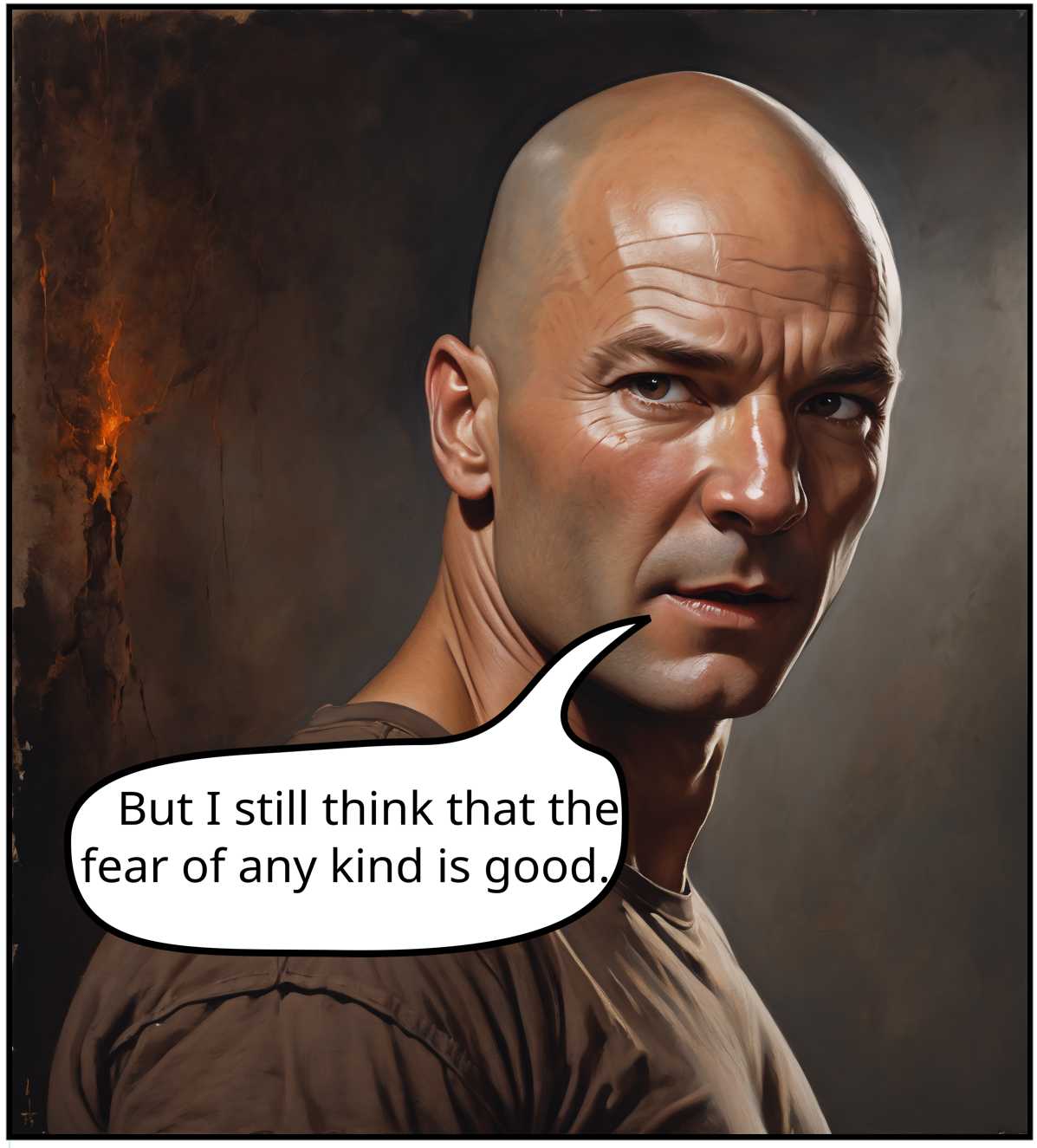
In his mind, humanity will never be united by ideals, but by fear—and he is willing to become the terror that binds them together. In this new era of fire and steel, he has found his place: not as a savior, but as the warlord who thrives in eternal conflict. His vision is not of rebuilding, but of reigning—until the last machine is crushed or the last man falls. To him, it makes no difference. What matters is that when the smoke clears, his name is the only one remembered.